
By Upcycle Africa – As Told by Johnmary Kavuma
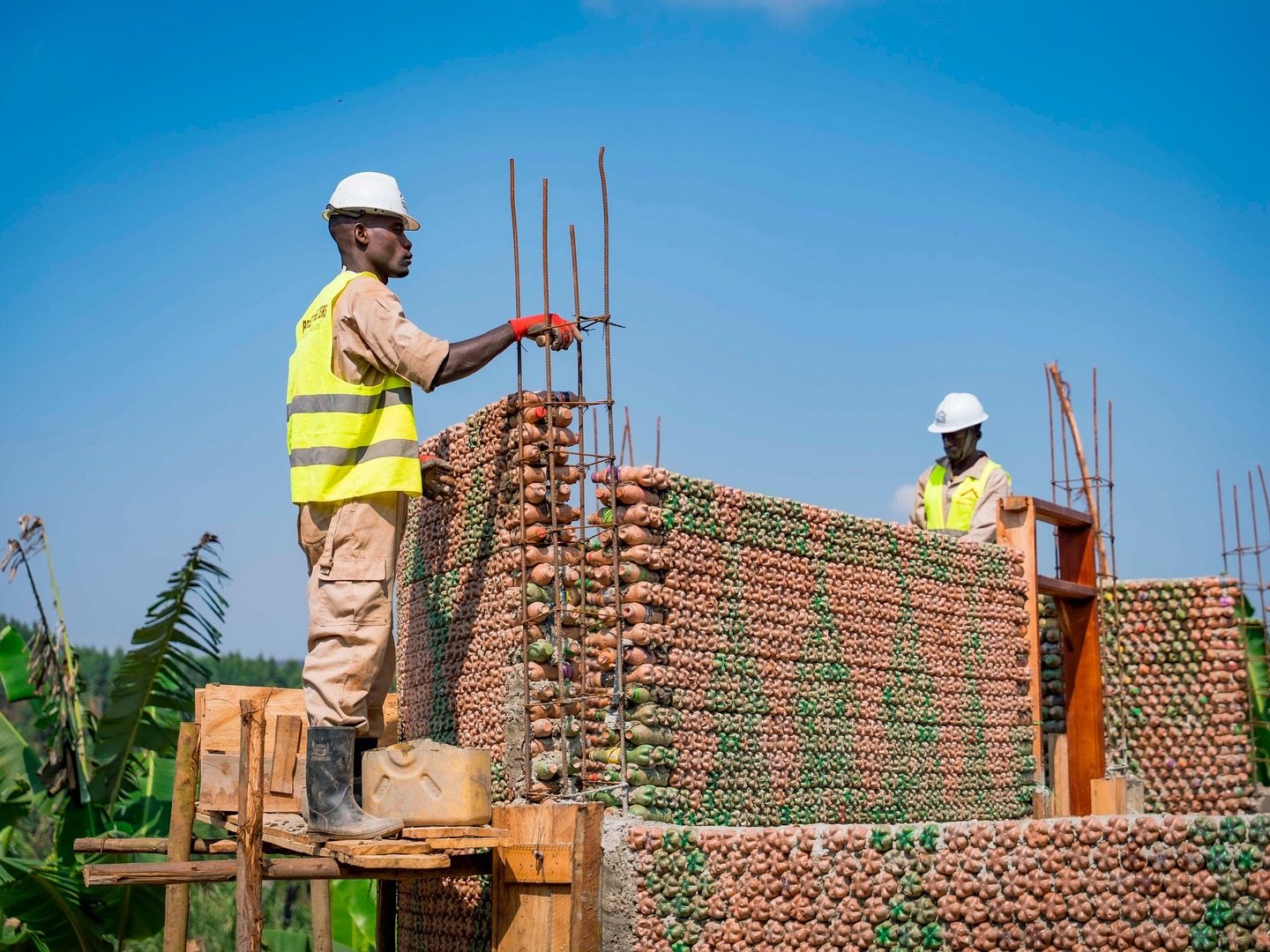
2026 Introduction: My Beginning and Why This Guide Exists
My name is Johnmary Kavuma, Founder of Upcycle Africa.
When I was just starting this journey, I was not an engineer, and I did not have big funding. What I had was pain, loss, and a question.
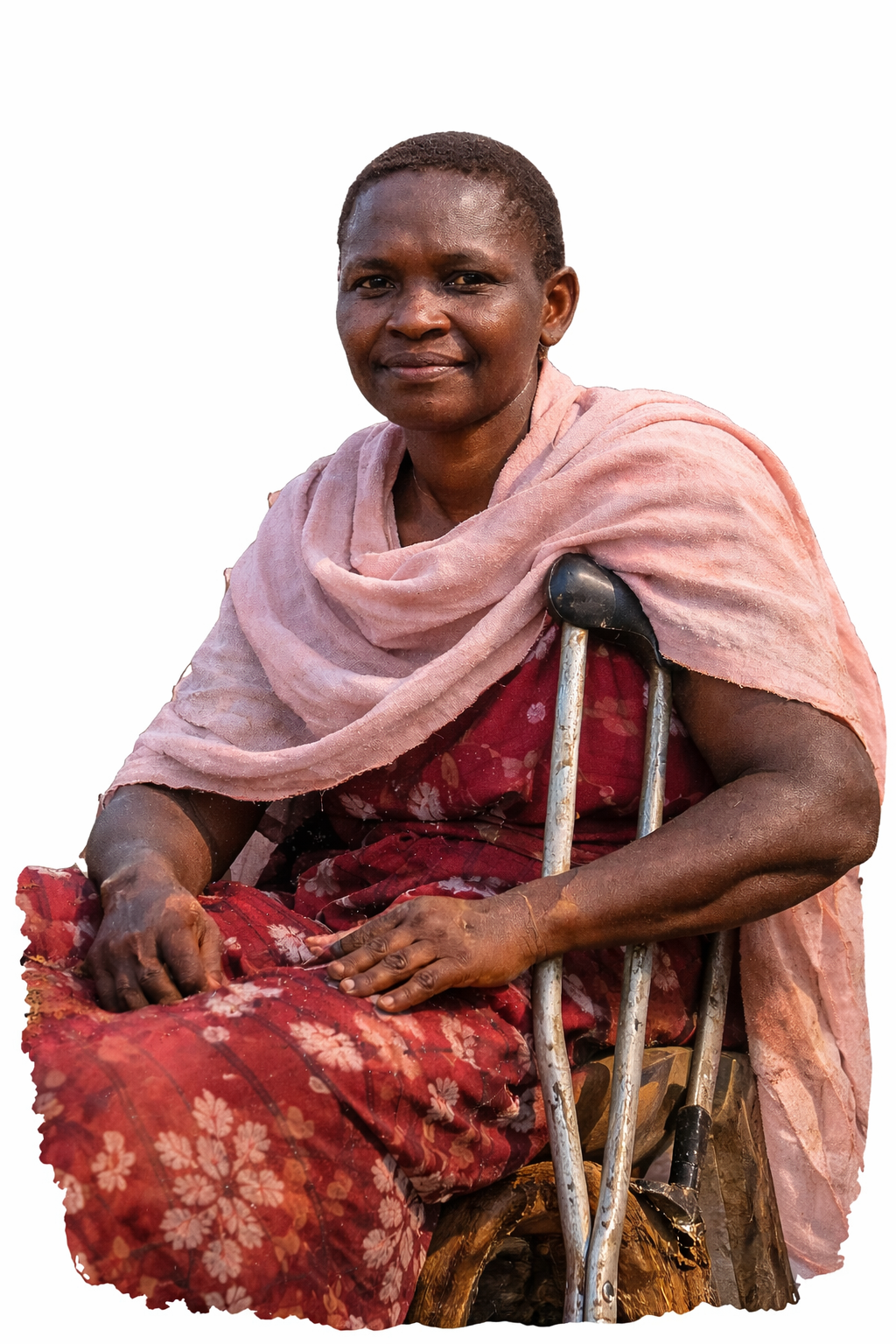
When I was 19 years old, poor drainage next to our home—blocked by plastic waste—caused flooding. Our house collapsed. I survived with serious injuries, but my grandmother did not. That moment changed my life forever.
As I healed, I kept asking myself:
“If plastic waste can destroy homes, can it also be used to build them?”
That question became the foundation of Upcycle Africa.
This 2026 guide is written to teach you exactly what I learned from the beginning—through trial, failure, learning, and community work—on how to construct safe, affordable houses using plastic waste.
2026 Why Plastic Waste Housing Matters
In many African communities, we face three connected challenges:
- Plastic pollution
- Unaffordable housing
- Youth unemployment
At Upcycle Africa, we learned that one solution can address all three.
Plastic bottle houses support:
- SDG 11: Sustainable Cities and Communities
- SDG 12: Responsible Consumption and Production
- SDG 13: Climate Action
- SDG 8: Decent Work and Economic Growth
This method is not theory. It is tested, lived, and built.
2026 Understanding Plastic Bottle Construction (What I Learned First)
When I started, I discovered something powerful:
A plastic bottle filled tightly with soil becomes extremely strong—stronger than many conventional bricks. But only if it is done correctly.
Plastic bottle construction uses:
- Waste bottles as eco-bricks
- Soil or sand as compacting material
- Cement mortar and reinforcement for safety
This guide will show you how to do it the right way, not shortcuts.
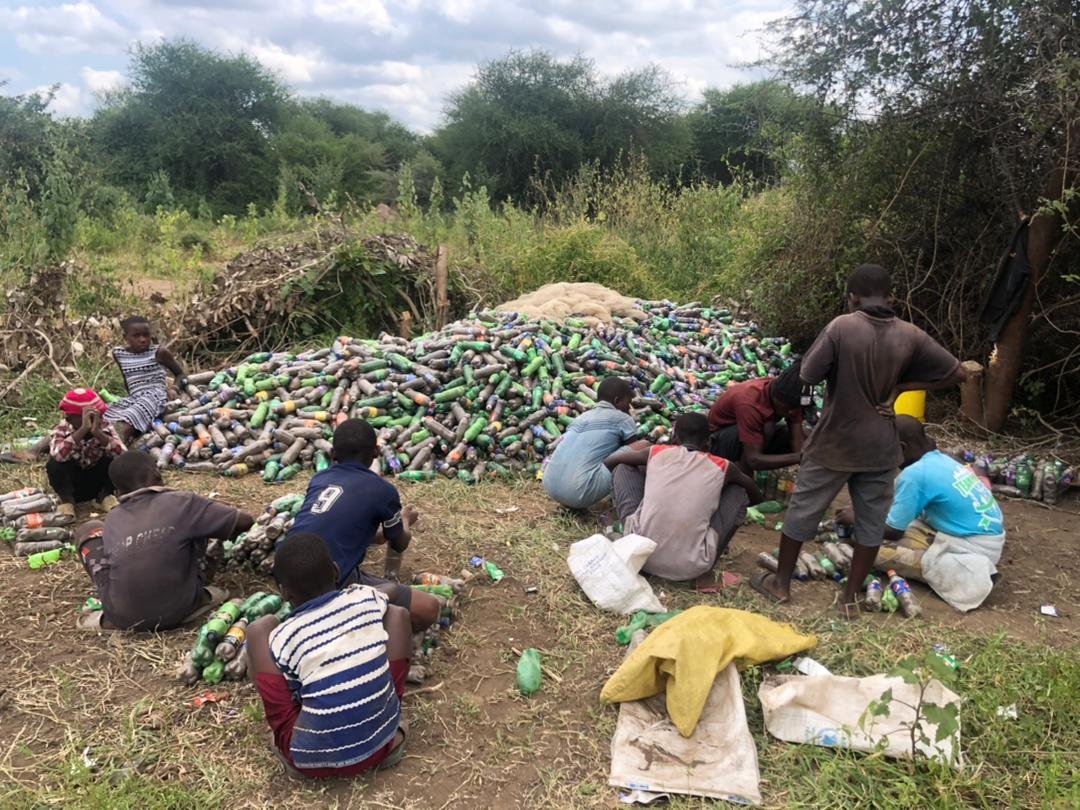
2026 Materials Required (What We Use at Upcycle Africa)
Plastic Waste
- Used plastic bottles (same size is best)
- Bottle caps
Construction Materials
- Dry soil or sand
- Cement
- Clean water
- Hardcore stones
- Steel reinforcement bars
- Binding wire or strong nylon string
Tools
- Shovels
- Buckets
- Compaction rods or sticks
- Trowels
- Spirit level
- Protective gloves and boots
2026 Step 1: Plastic Collection – Where Everything Begins
When I started, I worked with communities first—not machines.
What to Do
- Collect bottles from homes, schools, markets, and streets
- Sort bottles by size
- Reject cracked or weak bottles
My lesson:
Never underestimate community power. Plastic waste becomes valuable when people understand its purpose.
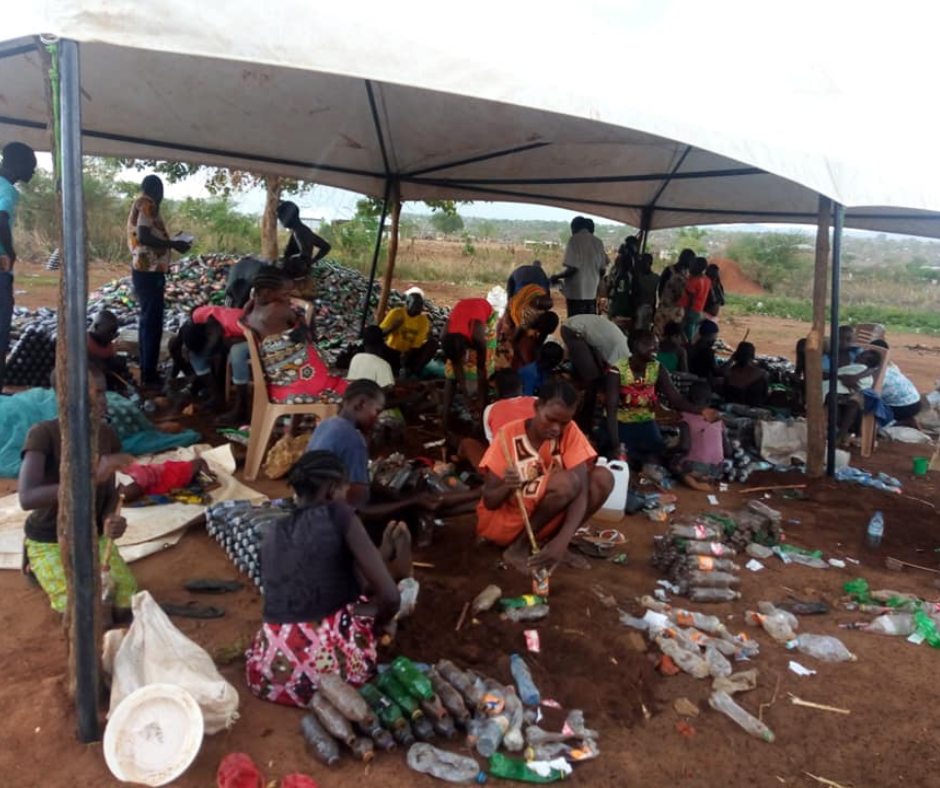
2026 Step 2: Cleaning Bottles (A Step I Once Ignored—Don’t)
In the early days, we skipped proper cleaning. We paid for it later.
Correct Method
- Remove labels and dirt
- Wash bottles with water
- Dry completely
Clean bottles:
- Bond better with mortar
- Prevent smell and decay
- Increase wall life
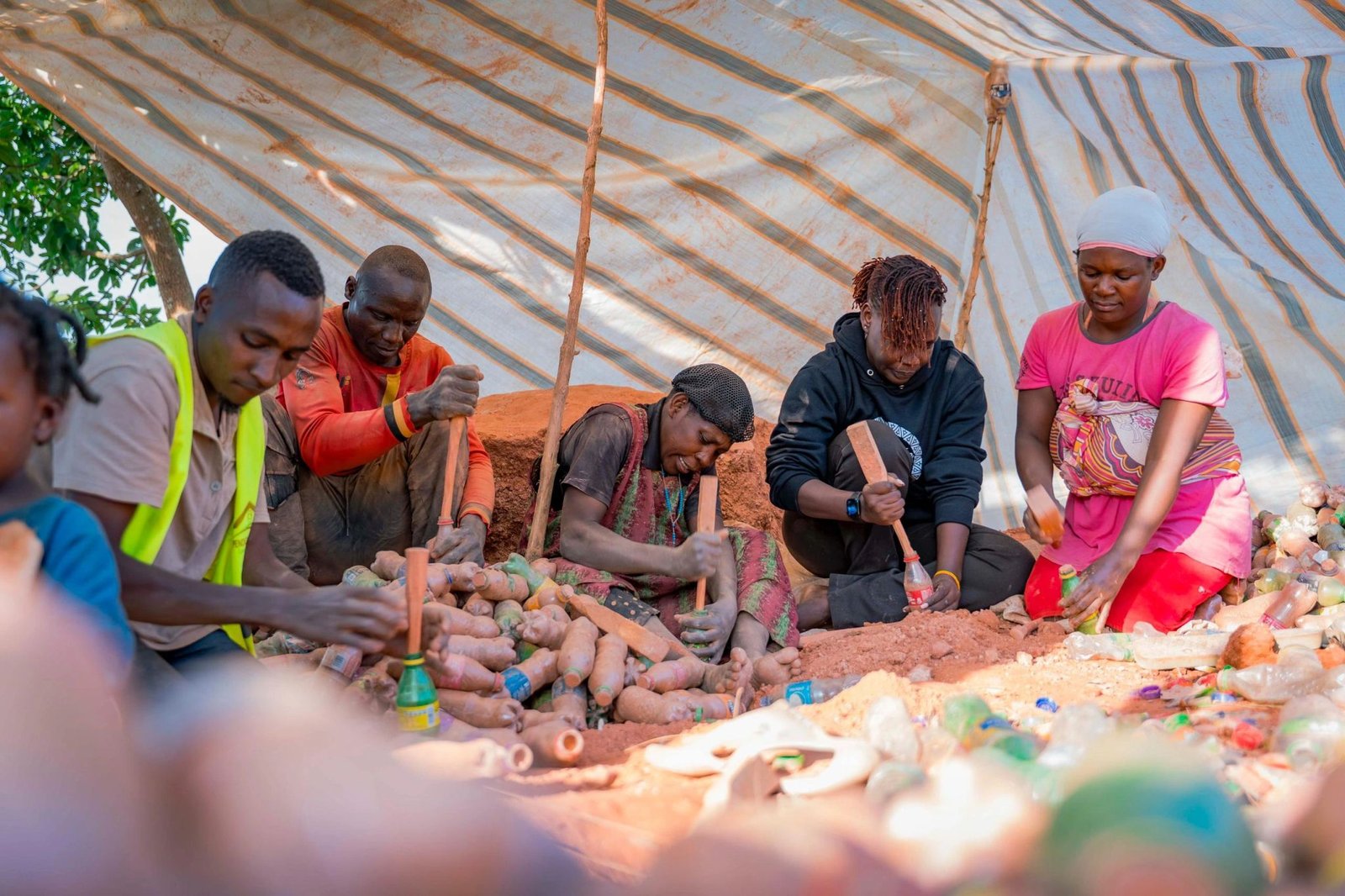
2026 Step 3: Compacting Soil into Bottles (The Most Important Lesson I Learned)
If this step is wrong, the whole house is weak.
How We Do It at Upcycle Africa
- Fill bottle one-third with dry soil
- Compact hard with a rod
- Repeat until full
- Close tightly
Quality Test
- Bottle must be rock hard
- No dent when pressed
- Weight: 2–3 kg
This is where waste turns into strength.
2026 Step 4: Foundations – Never Compromise Here
One of my biggest lessons:
Plastic bottle houses still need strong foundations.
Foundation Steps
- Clear and level land
- Dig trenches
- Add hardcore stones
- Pour reinforced concrete
This protects homes from:
- Floods
- Soil movement
- Structural failure
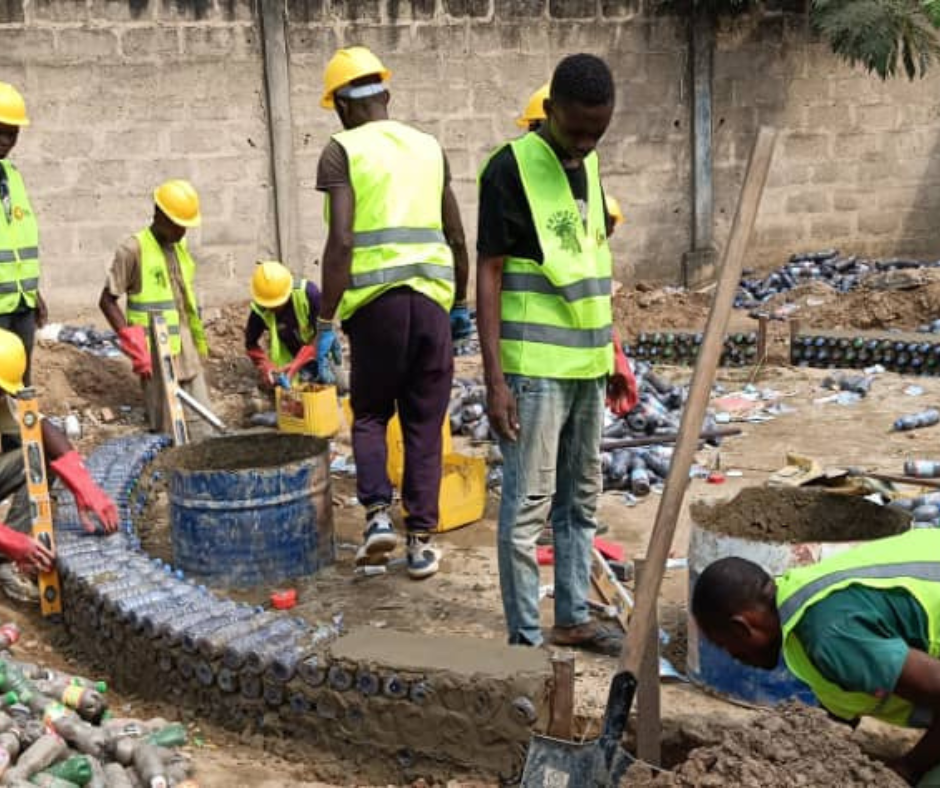
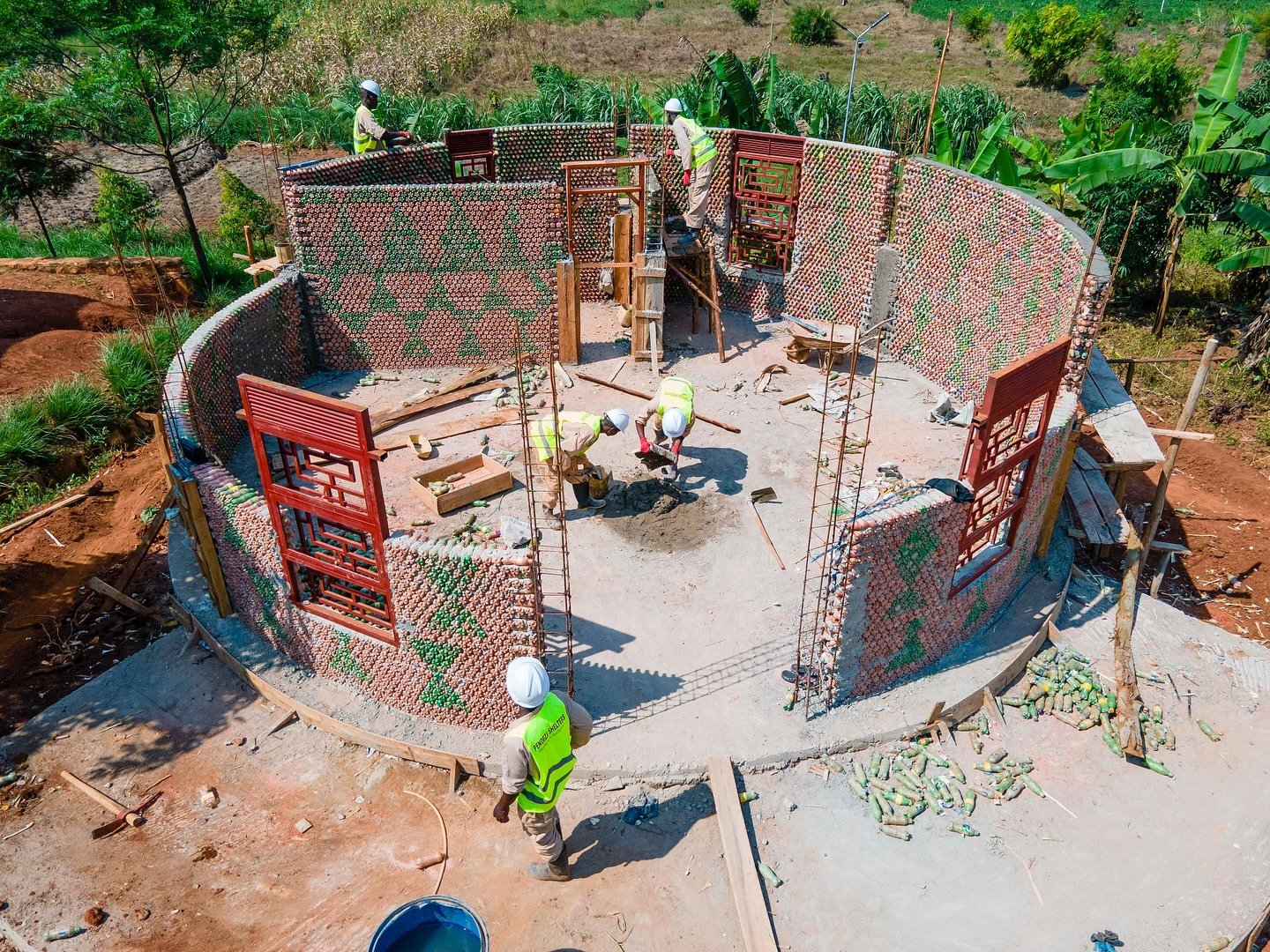
2026 Step 5: Building Walls with Plastic Bottles
This is where people start believing.
Wall Construction Method
- Lay bottles horizontally or vertically
- Tie with wire or nylon string
- Apply cement mortar between bottles
- Stagger rows like brickwork
- Use a spirit level
What surprised me:
Walls rise faster, use less cement, and stay cooler inside.
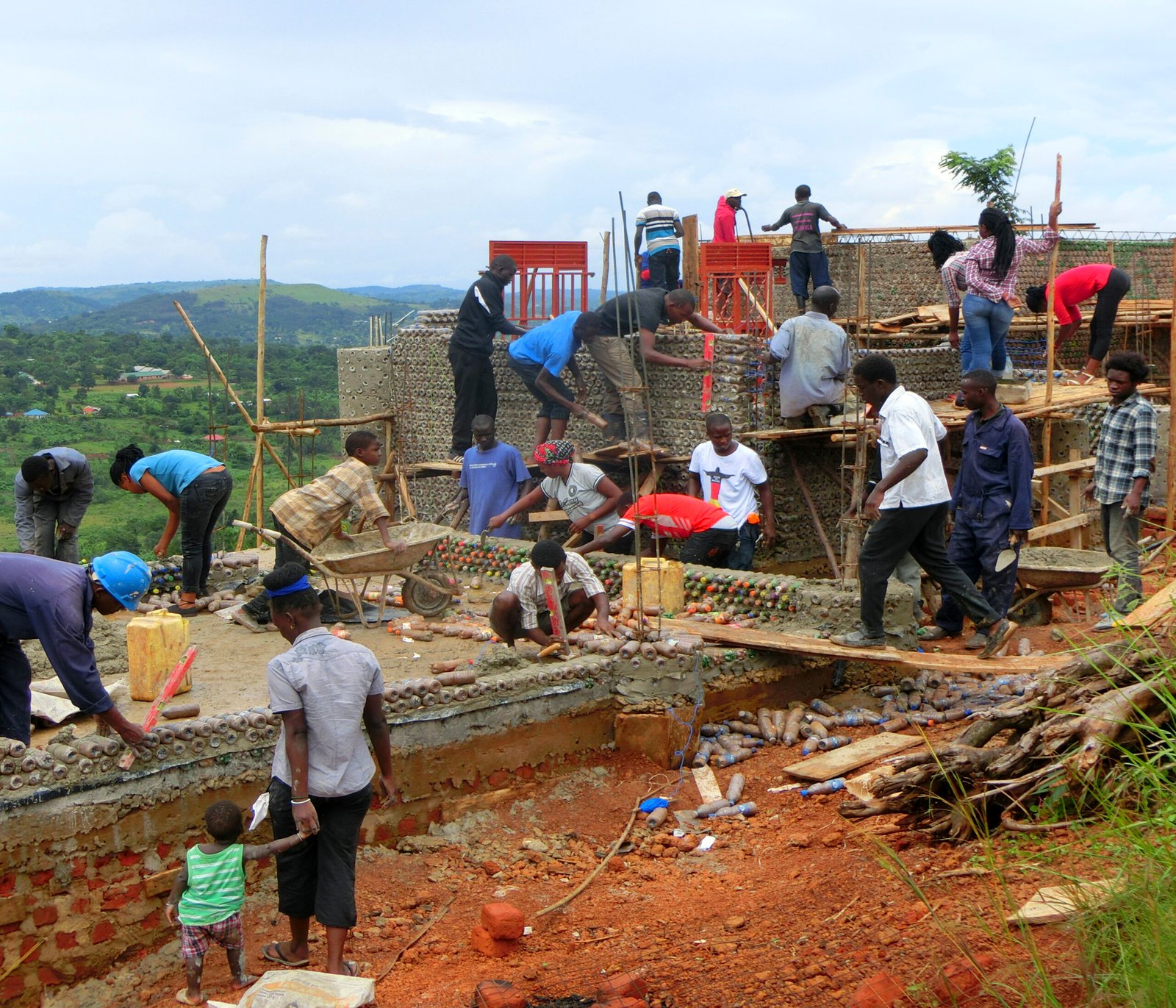
2026 Step 6: Reinforcement (What Makes This a Real House, Not an Experiment)
To make homes safe and acceptable in 2026:
We Add
- Reinforced columns at corners
- Ring beams at window and roof level
- Steel bars around doors and windows
This ensures:
- Wind resistance
- Roof load safety
- Long-term durability
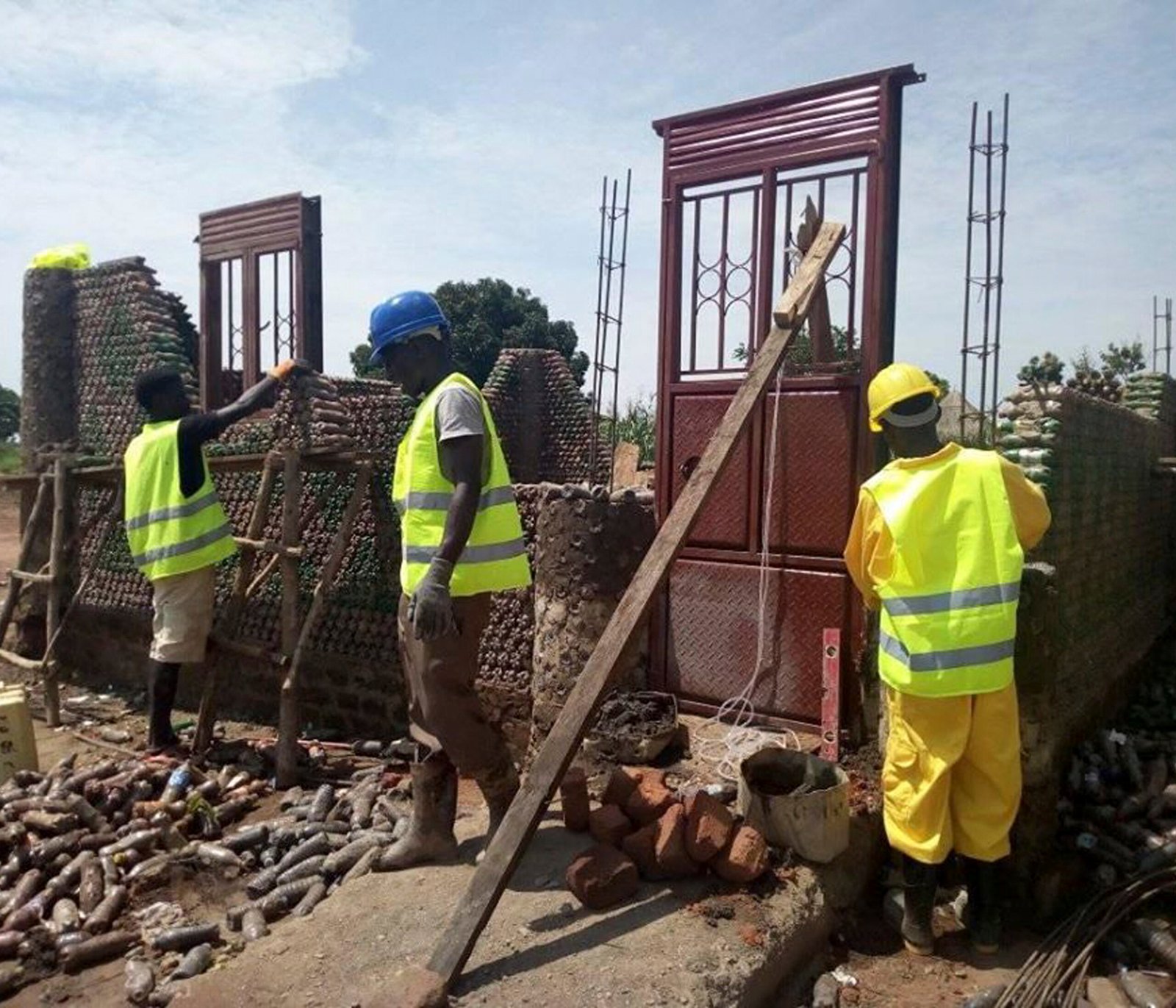
2026 Step 7: Roofing and Comfort
- Allow walls to cure (7–14 days)
- Install roof trusses
- Fix iron sheets or eco-roofs
- Add gutters
Plastic bottle walls naturally reduce heat inside the house.
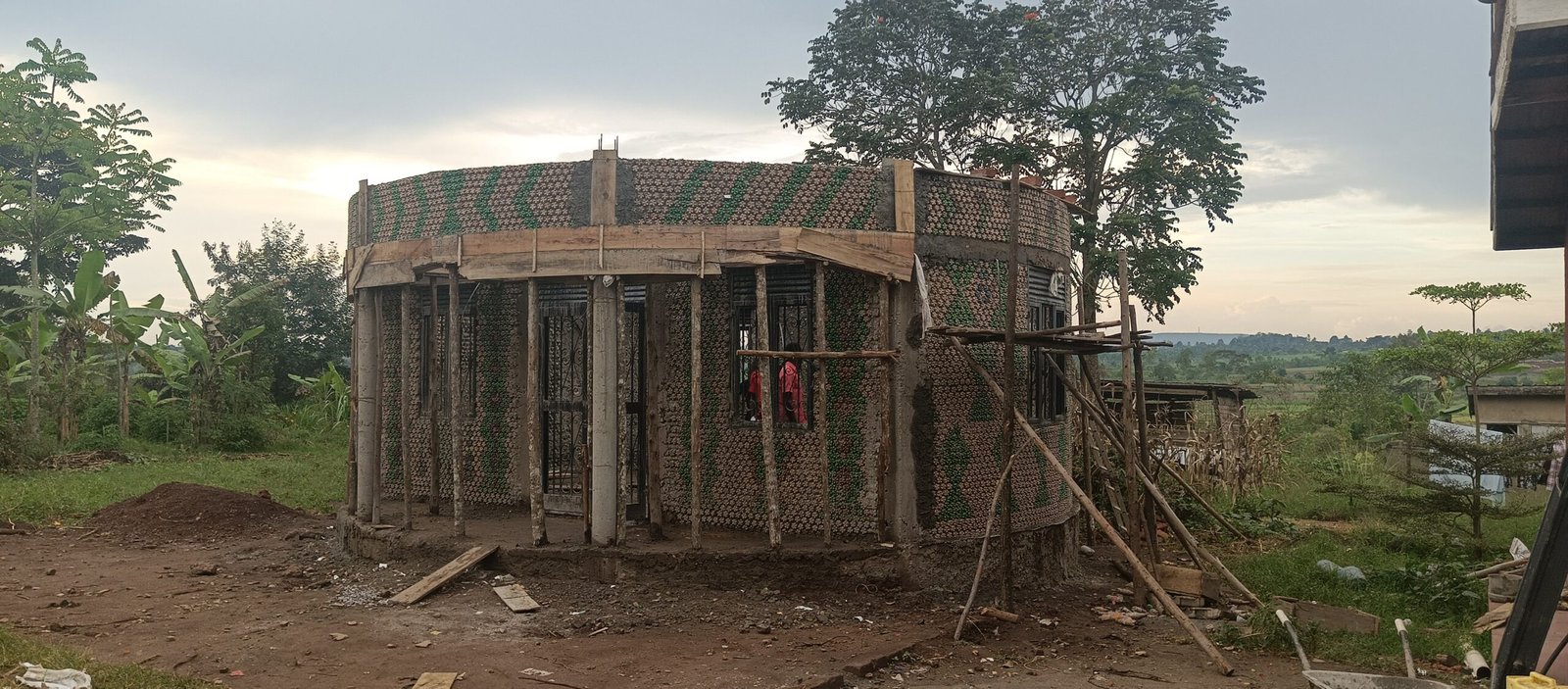
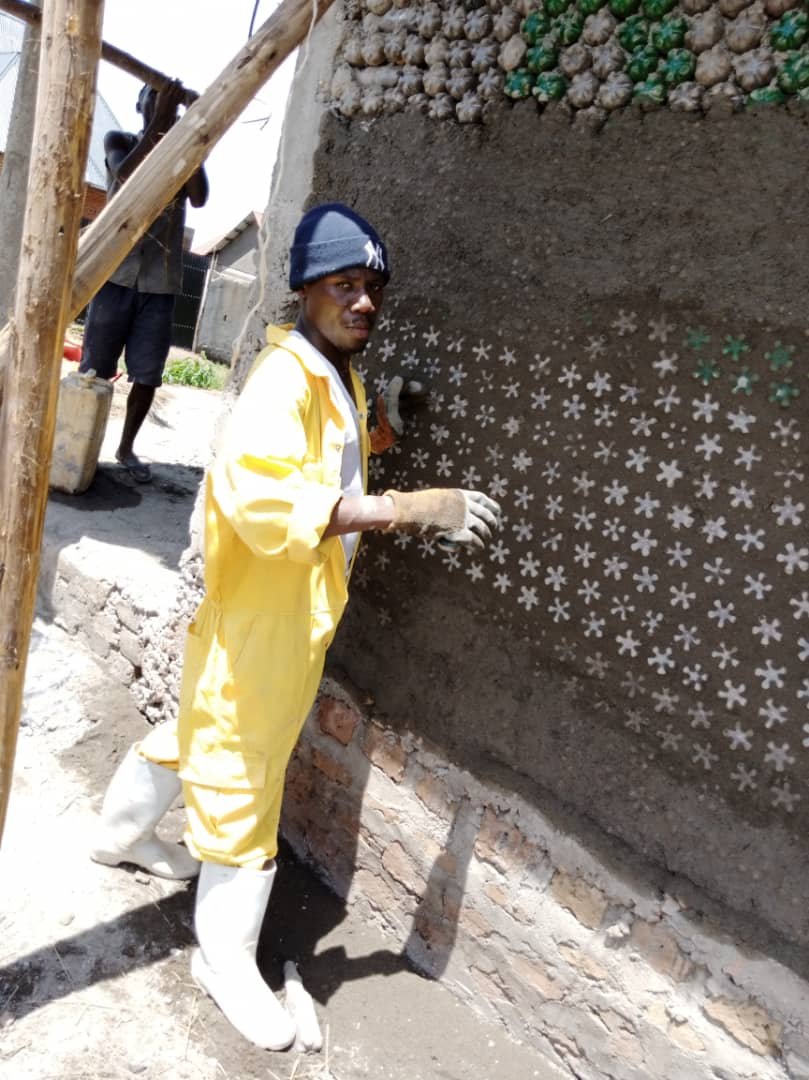
2026 Step 8: Plastering and Finishing
Plastering is not optional.
Why We Plaster
- Protect bottles from sunlight
- Improve fire resistance
- Create a clean, modern look
After plastering, no one can tell the house is made from plastic waste.
2026 Step 9: Inspection and Safe Occupation
Before people move in:
- Inspect walls and reinforcement
- Check roofing and drainage
- Ensure ventilation
At Upcycle Africa, every house is checked before handover.
2026 Final Message from Me to You
When I started, this idea came from loss and pain. Today, it has become homes, jobs, and hope.
In 2026, you do not need to wait for expensive materials or perfect conditions.
You can:
- Use waste to solve housing challenges
- Build safely and creatively
- Empower your community
- Protect the environment
Plastic waste once destroyed my home.
Today, it helps us build better ones.
— Johnmary Kavuma
Founder, Upcycle Africa
Post a comment
Related Posts
January 12, 2026
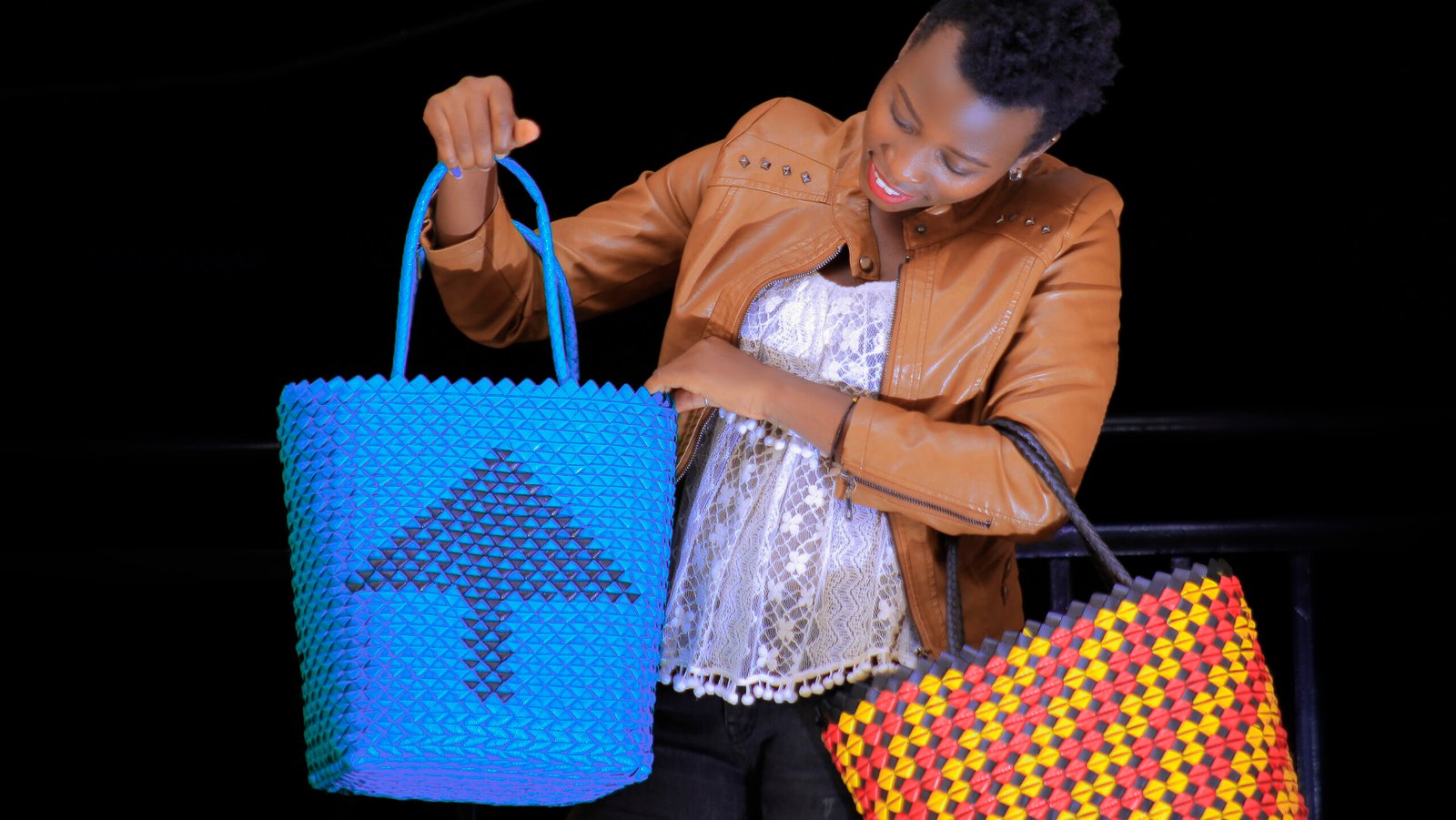
Transforming Waste into Opportunity and Impact.
In a world grappling with plastic pollution, unemployment, and social exclusion, solutions that address multiple…

January 10, 2026
How to Apply for the Tony Elumelu Foundation (TEF) 2026 Programme
Step-by-Step Guide by an AlumnusBy Johnmary Kavuma, Founder & Team Leader, Upcycle Africa Date: January…
January 3, 2026
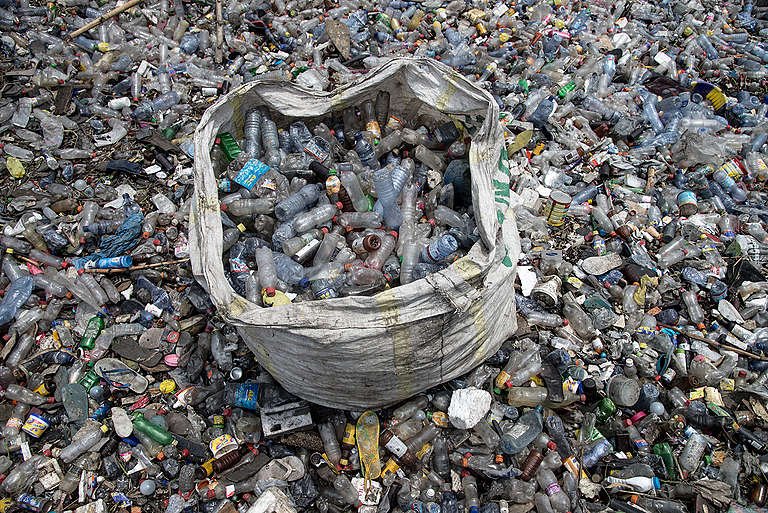
The Plastic Paradox: Navigating Africa’s Waste Crisis in 2026.
By: Johnmary Kavuma | January 3, 2026 Africa stands at a critical environmental and economic…