

In a world grappling with plastic pollution, unemployment, and social exclusion, solutions that address multiple challenges at once are no longer optional—they are essential. Upcycled shopping bags are one such solution. More than just an alternative to single-use plastics, these bags represent dignity, opportunity, and environmental responsibility woven together into a single product.
Turning Waste into Purpose
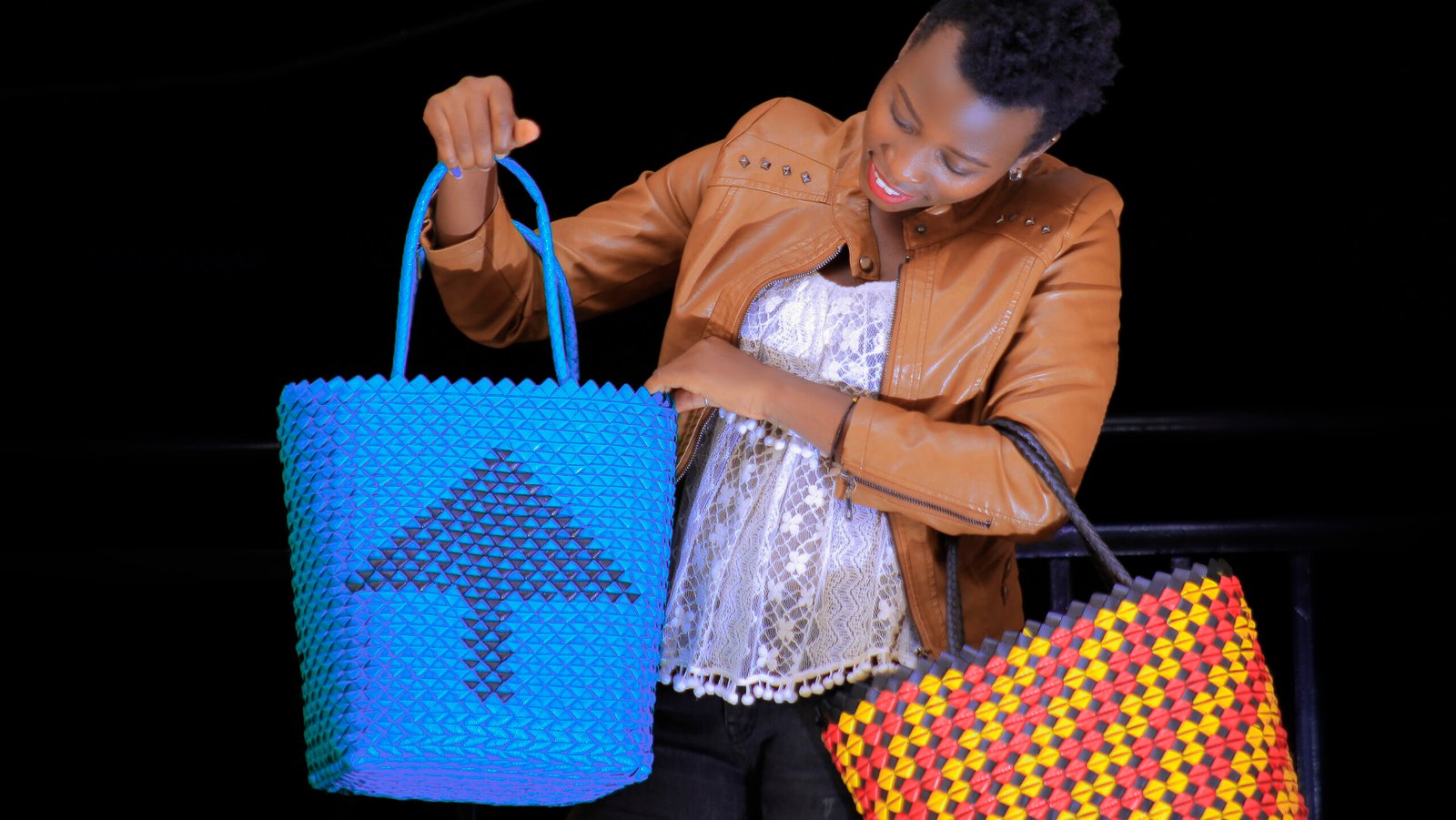
Upcycled shopping bags are made from discarded plastic materials that would otherwise end up in landfills, waterways, or informal dumpsites. By transforming waste into functional, stylish, and durable shopping bags, this product directly addresses the growing crisis of plastic pollution while promoting a circular economy—where waste becomes a resource, not a burden.
Empowering Marginalized Communities
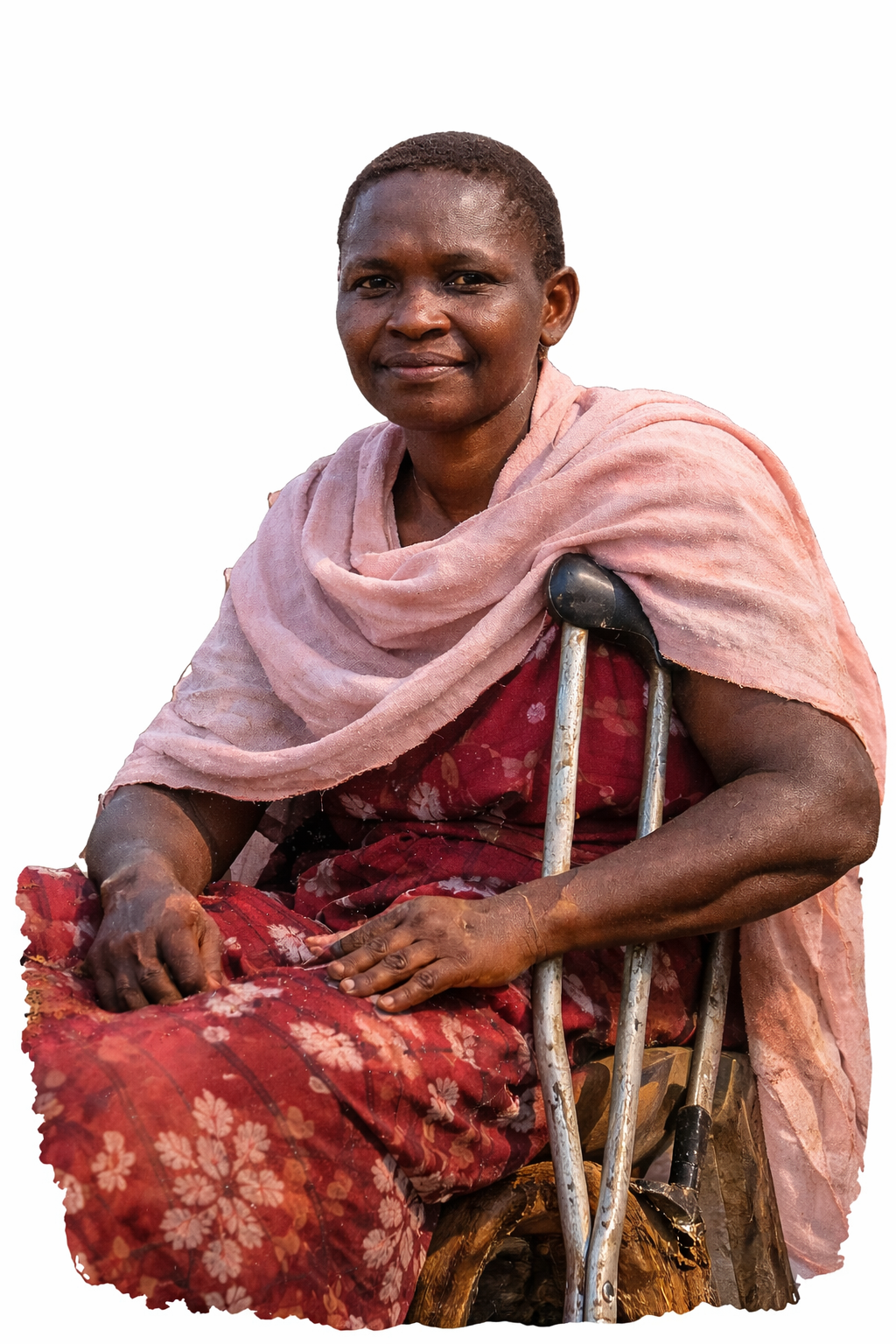
At the heart of these bags are the hands that make them. Production is led by marginalized groups, including refugees, teenage mothers, widows, and other vulnerable populations who often face barriers to formal employment. Through skills training and fair income opportunities, these individuals are empowered to rebuild their lives, support their families, and regain dignity.
This product is not charity—it is inclusive economic participation.
Replacing Single-Use Plastics
Single-use plastic bags are among the most harmful pollutants due to their short lifespan and long-lasting environmental impact. Upcycled shopping bags offer a practical and affordable alternative. Designed for repeated use, one bag can replace hundreds of single-use plastic bags over its lifetime, significantly reducing plastic waste at household and community levels.
Built to Last: Durability and Functionality
Unlike disposable plastic bags that tear easily, upcycled shopping bags are crafted for strength and longevity. They are designed to carry heavy loads, withstand daily use, and last for years. Their durability makes them not only environmentally friendly but also economically smart for consumers who want value for money.
Addressing Real Social and Environmental Challenges
This product tackles multiple challenges simultaneously:
- Plastic pollution by diverting waste from the environment
- Unemployment and poverty by creating sustainable livelihoods
- Social exclusion by integrating marginalized groups into productive work
- Overconsumption by encouraging reuse instead of disposability
Contribution to the Sustainable Development Goals (SDGs)
Upcycled shopping bags directly contribute to several global goals:
- SDG 1: No Poverty – Providing income-generating opportunities
- SDG 5: Gender Equality – Empowering women, including teenage mothers and widows
- SDG 8: Decent Work and Economic Growth – Promoting fair and dignified employment
- SDG 12: Responsible Consumption and Production – Encouraging reuse and waste reduction
- SDG 13: Climate Action – Reducing plastic-related emissions
- SDG 10: Reduced Inequalities – Supporting marginalized populations
- SDG 11: Sustainable Cities and Communities – Creating cleaner, healthier urban spaces
More Than a Bag—A Movement
Every upcycled shopping bag tells a story: a story of resilience, innovation, and hope. It represents a shift in how we think about consumption—not just what we buy, but who we empower and what impact we leave behind.
Choosing an upcycled shopping bag is a simple act with powerful consequences. It is a step toward cleaner environments, stronger communities, and a future where sustainability and social justice go hand in hand.
This is not just a product. It is a solution.
Post a comment
Related Posts

January 10, 2026
How to Apply for the Tony Elumelu Foundation (TEF) 2026 Programme
Step-by-Step Guide by an AlumnusBy Johnmary Kavuma, Founder & Team Leader, Upcycle Africa Date: January…
January 3, 2026
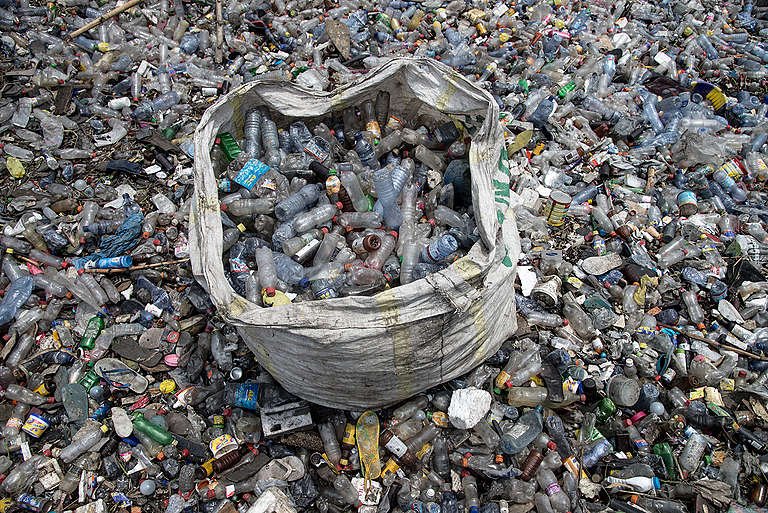
The Plastic Paradox: Navigating Africa’s Waste Crisis in 2026.
By: Johnmary Kavuma | January 3, 2026 Africa stands at a critical environmental and economic…
January 2, 2026
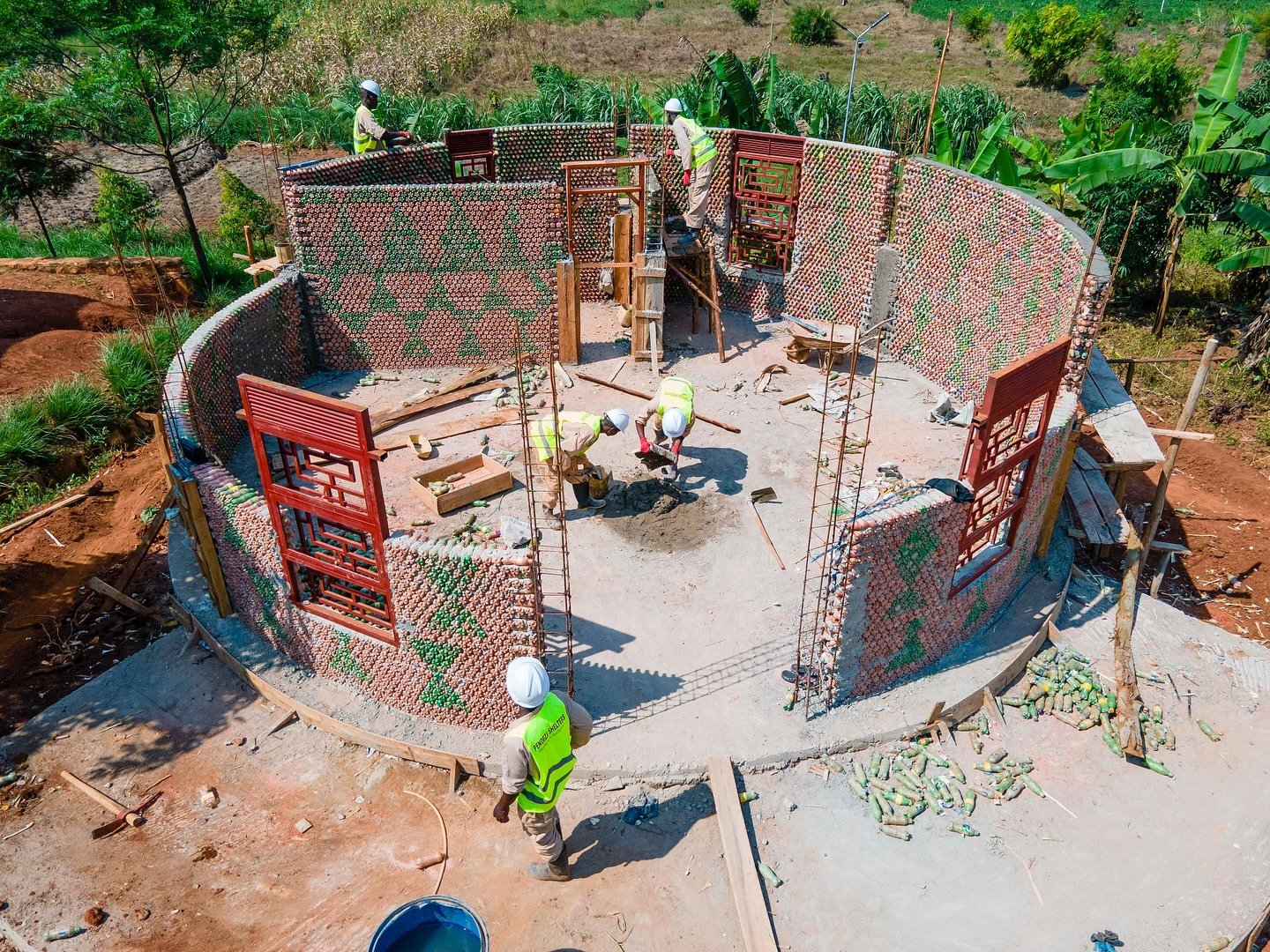
2026 Practical Guide: How to Construct Houses Using Plastic Waste
By Upcycle Africa – As Told by Johnmary Kavuma 2026 Introduction: My Beginning and Why…