

By: Johnmary Kavuma | January 3, 2026
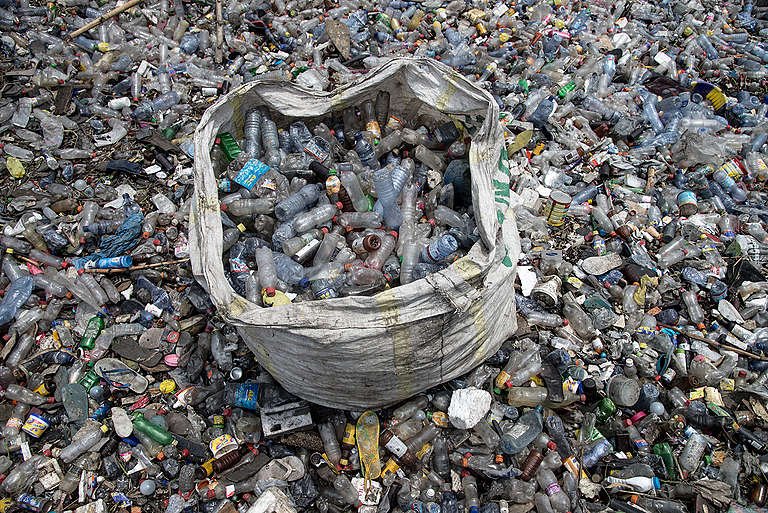
Africa stands at a critical environmental and economic crossroads. While the continent contributes less than 5% of global plastic production, it is disproportionately burdened by the “downstream” effects of a globalized plastic economy. As of 2026, the magnitude of plastic waste in Africa has transitioned from a municipal management challenge into a systemic continental crisis that threatens food security, public health, and the burgeoning “Blue Economy.”
1. The Statistical Reality: A Rising Tide
The sheer volume of plastic entering the African ecosystem is accelerating at a rate that outpaces current infrastructure investment. To understand the magnitude, we must look at the widening gap between consumption and management capacity.
- Annual Generation: Africa currently produces approximately 19 to 25 million tonnes of plastic waste per year.
- The Collection Deficit: On average, only 55% of municipal solid waste in African cities is collected. In rural areas, this figure often drops below 15%.
- The Recycling Gap: Of the plastic that is successfully collected, a mere 4% is actually recycled. The remainder is either diverted to overstretched landfills, burned in open pits, or “leaked” into the environment.
- The 2060 Projection: Without radical intervention, the OECD predicts Africa will generate 116 million tonnes of plastic waste annually by 2060—a staggering six-fold increase from 2019 levels, driven by rapid urbanization and a growing middle class.
2. Continental Hotspots and Watershed “Highways”
The crisis is not uniform across the continent; it is concentrated in high-density urban hubs and along major river basins that act as unintended transport systems for debris.
Top Plastic Waste Producers (By Annual Tonnage)
| Country | Estimated Plastic Waste (MT) | Primary Environmental Risk |
| Egypt | 3.0M+ | Mediterranean microplastic saturation |
| Nigeria | 2.5M+ | Gulf of Guinea ecosystem collapse |
| South Africa | 2.0M+ | Threats to Cape marine biodiversity |
| Algeria | 1.5M+ | Coastal tourism degradation |
| Morocco | 1.2M+ | North Atlantic fishery contamination |
The River System “Conveyor Belts”
Four major African rivers—the Congo, Niger, Nile, and Zambezi—are now categorized among the world’s most significant contributors to oceanic plastic. These rivers transport urban plastic from landlocked regions to the deep ocean. In the Nile alone, studies indicate that nearly 8% of all globally leaked plastic into the Mediterranean originates from this single river basin.
3. The Socio-Economic and Health Toll
Plastic pollution is not merely an aesthetic issue; it is an economic “leak” in Africa’s development and a direct threat to human physiology.
The “Blue Economy” at Risk
The external cost of marine plastic in West Africa is estimated between $10,000 and $33,000 per tonne of waste. This directly impacts:
- Fisheries: Ghost fishing (abandoned plastic nets) and ingestion of plastic by fish stocks reduce yields for the 12 million people employed in the African fishing industry.
- Tourism: Coastal nations like Kenya, Seychelles, and Mauritius face multi-million dollar losses as plastic-strewn beaches deter international visitors.
Infrastructure and Flooding
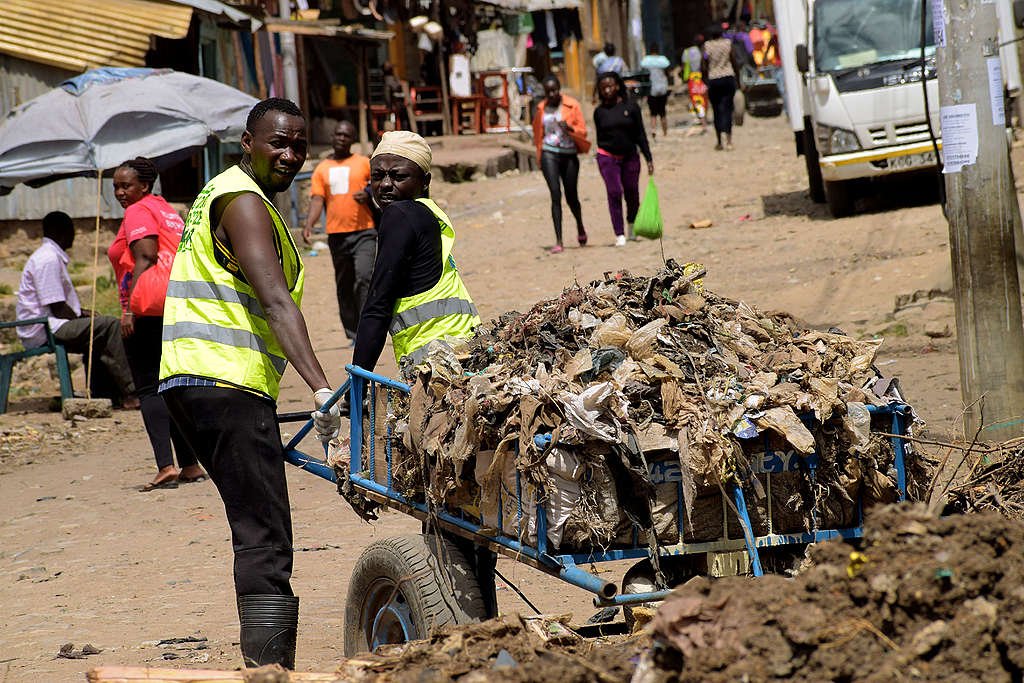
In cities like Lagos, Accra, and Kinshasa, plastic-clogged drainage systems are the primary catalyst for urban flash flooding. During monsoon seasons, these “plastic dams” lead to:
- Property Damage: Billions of dollars in infrastructure loss.
- Disease Vectors: Stagnant water behind plastic blockages becomes a breeding ground for mosquitoes (Malaria/Dengue) and facilitates the spread of waterborne diseases like Cholera.
The Microplastic Infiltration
By 2026, microplastics (particles < 5mm) have been detected in high concentrations in African freshwater sources and staple food products. Research suggests that the average person in highly polluted urban areas may be ingesting the equivalent of a credit card’s worth of plastic every week, leading to concerns regarding endocrine disruption and reproductive health.
4. Policy Pioneers: Africa’s Legislative Leadership
Despite being a victim of global waste trends, Africa is leading the world in legislative courage. Over 34 African nations have implemented some form of ban on single-use plastics—more than any other continent.
- Rwanda (The Global Gold Standard): Since its landmark 2008 ban on non-biodegradable plastic bags, Rwanda has become one of the cleanest nations on Earth. It is now transitioning to a Circular Economy Strategy (2021–2035), focusing on total plastic neutrality.
- Kenya: Home to one of the world’s strictest plastic bag bans (punishable by jail time), Kenya has seen a visible reduction in “urban tumbleweeds.” The nation is now a hub for “Waste-to-Value” startups like Gjenge Makers, which converts recycled plastic into paving blocks stronger than concrete.
- The EPR Movement: South Africa and Ghana are pioneering Extended Producer Responsibility (EPR) frameworks. These laws shift the financial burden of waste management from the taxpayer to the manufacturers, incentivizing “Design for Recycling.”
5. The Path Forward: Transforming Waste into Wealth
Solving the crisis requires moving beyond bans toward a circular systemic overhaul.
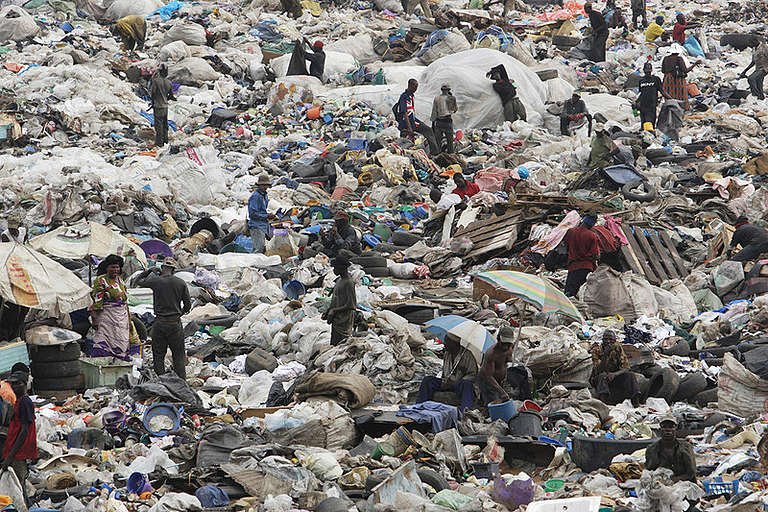
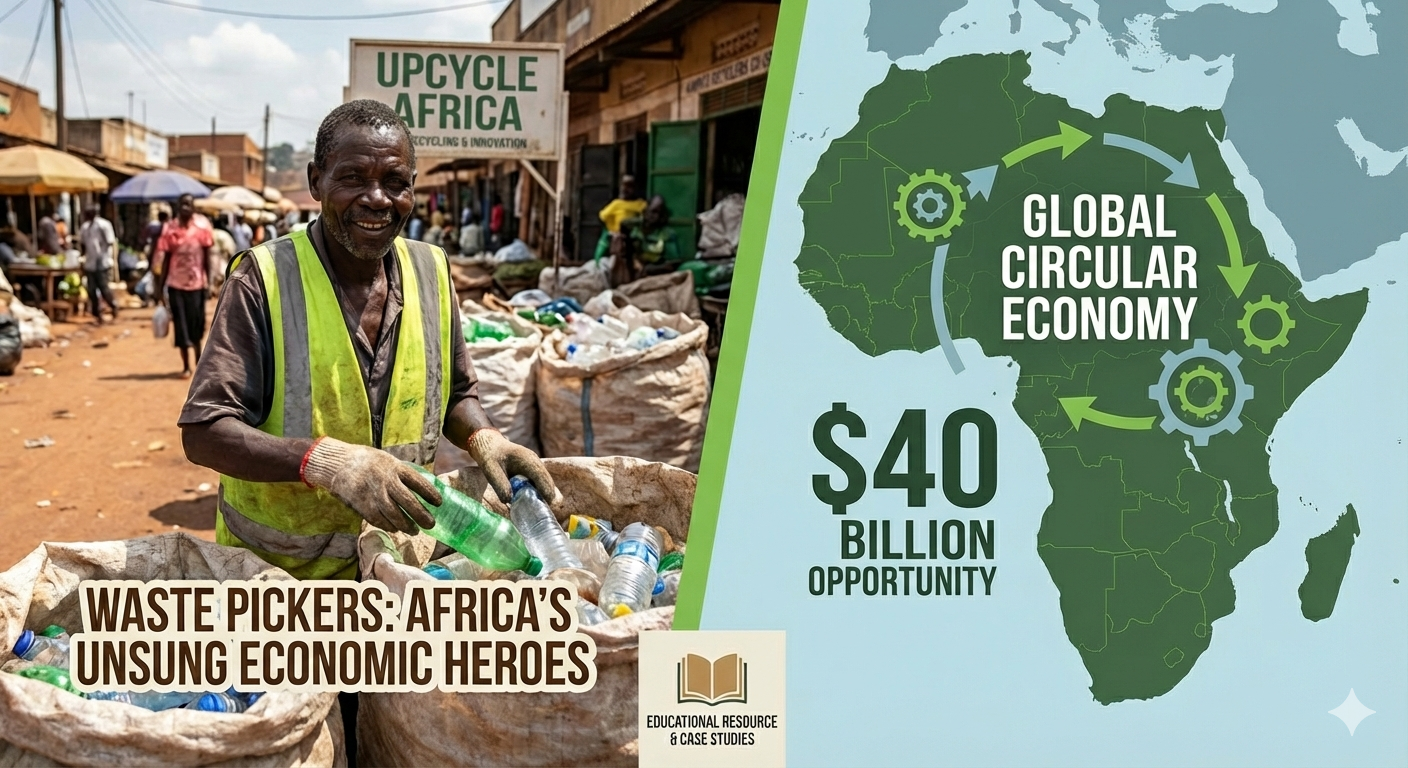
- Formalizing the Informal Sector: Africa’s “Waste Pickers” are the unsung heroes of recycling, responsible for up to 80% of plastic recovery in some cities. Formalizing this sector with fair wages, PPE, and healthcare is essential for a sustainable value chain.
- Infrastructure Investment: There is a projected $40 billion funding gap for waste management in Africa. Multilateral banks must prioritize “Green Infrastructure” loans for secondary resource recovery centers.
- The Global Plastics Treaty: African nations are currently a unified, powerful voice in the ongoing negotiations for a Legally Binding International Instrument on Plastic Pollution. The “Africa Group” is demanding that global producers take responsibility for the “legacy plastic” currently choking African shores.
“Plastic pollution in Africa is a symptom of a broken global trade system. We are not just fighting trash; we are fighting for the right to a clean, healthy, and sustainable environment as a fundamental human right.” Excerpt from the African Ministerial Conference on the Environment (AMCEN).
References & Data Sources
- UNEP (2025): Africa Waste Management Outlook – Second Edition.
- World Bank (2024): The Economics of Marine Plastic Pollution in Sub-Saharan Africa.
- OECD (2022/2026 update): Global Plastics Outlook: Policy Scenarios to 2060.
- Journal of African Earth Sciences: Microplastic Distribution in the Nile and Niger Deltas (2025 Study).
Post a comment
Related Posts

January 12, 2026
Transforming Waste into Opportunity and Impact.
In a world grappling with plastic pollution, unemployment, and social exclusion, solutions that address multiple…

January 10, 2026
How to Apply for the Tony Elumelu Foundation (TEF) 2026 Programme
Step-by-Step Guide by an AlumnusBy Johnmary Kavuma, Founder & Team Leader, Upcycle Africa Date: January…
January 7, 2026
How Weston Fuller Is Forcing Us to Confront Plastic Pollution
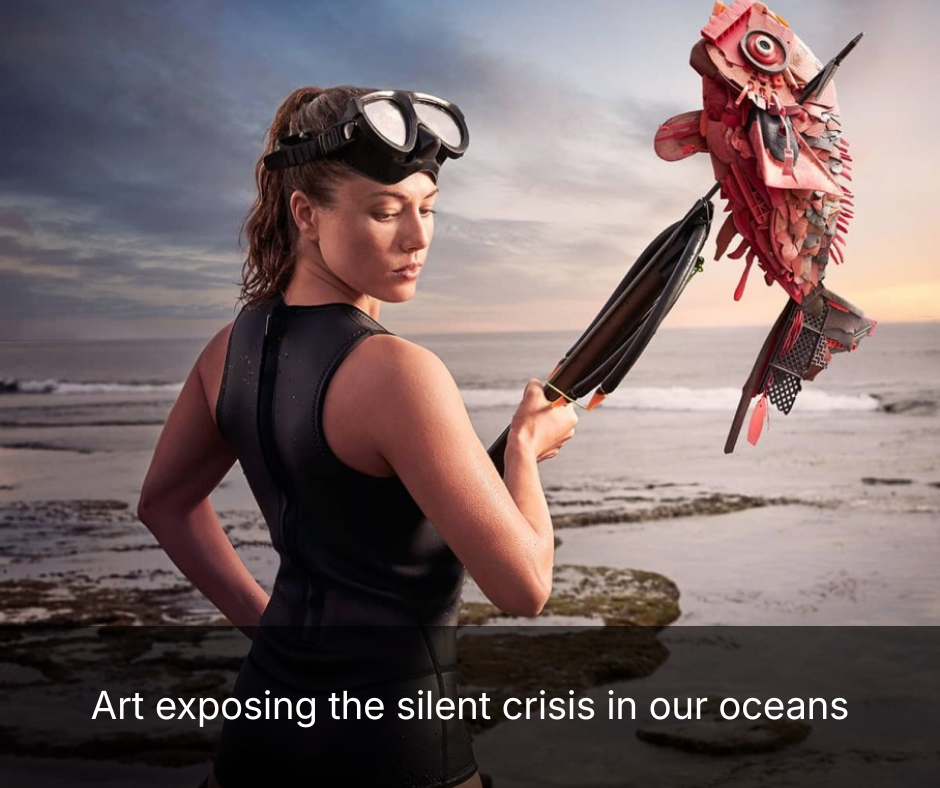
A diver emerges from the deep, spear gun in hand. But instead of a living…
January 5, 2026
The $40 Billion Opportunity: How Waste Pickers are Africa’s Unsung Economic Heroes
Moving beyond the stigma to recognize the informal waste sector as the backbone of the…